When the Scene Starts With First Responders
Police-ordered towing has its own rhythm. The call may come from a crash, an arrest, an abandoned vehicle, or a disabled car blocking traffic near a busy intersection. On a Lockport accident recovery call, our tow truck may arrive and still have to wait because the officer or responder in charge decides when the vehicle can move.
That can surprise drivers. A damaged vehicle might need photos, a report, a registration check, or a quick safety check from fire crews before we touch it. We pull in where we are directed, keep our lights visible, and listen first. The tow starts after the scene is ready.
The Officer’s Direction Shapes the Job
On police-ordered calls, the officer’s instructions matter as much as the vehicle damage. They may tell us to move the vehicle to a shoulder, take it to an impound lot, hold it for investigation, or transport it to a repair shop if the situation allows. That decision can depend on the crash report, driver status, registration, insurance, or roadway conditions.
We ask the practical questions before loading. Can the owner remove belongings? Is the vehicle part of an investigation? Does the officer need more photos before it moves? Those answers help us avoid problems later, especially when a driver calls the next day asking where the car went and what they need to get it released.
Damage Decides the Loading Method
Once we get clearance, we walk the vehicle slowly. A bent wheel, locked steering, leaking coolant, broken suspension, or loose bumper can change the whole tow. A flatbed may be the better choice for one call. A wheel-lift may work fine for another. If the car will not roll, we may use skates, dollies, or a winch line to load it without dragging damaged parts.
Road position matters too. On Lockport accident recovery calls, a vehicle sitting partly in traffic may need a quick reposition before the full load. A vehicle in a lot or on a side street usually gives us more time to set up cleanly. We are always balancing the condition of the vehicle with what responders need from the scene.
The Middle of the Call Is Mostly Coordination
This is the part most people never see. The truck is there, the lights are on, and nothing seems to be happening for a few minutes. Usually, plenty is happening. Police may be finishing paperwork. Fire crews may be checking a fluid spot. Dispatch may be confirming the tow destination. For Lockport accident recovery, those details keep the tow from turning into a paperwork headache later.
Before the vehicle leaves, we try to make sure these pieces are clear:
- The officer has released the vehicle for towing.
- The destination matches the call type.
- The loading method fits the damage.
- The driver knows who to contact next, when possible.
A police tow can go sideways when one of those steps gets skipped. We would rather take an extra minute at the scene than send the vehicle to the wrong place or leave the owner without basic information.
Larger Scenes Bring More People Into the Work
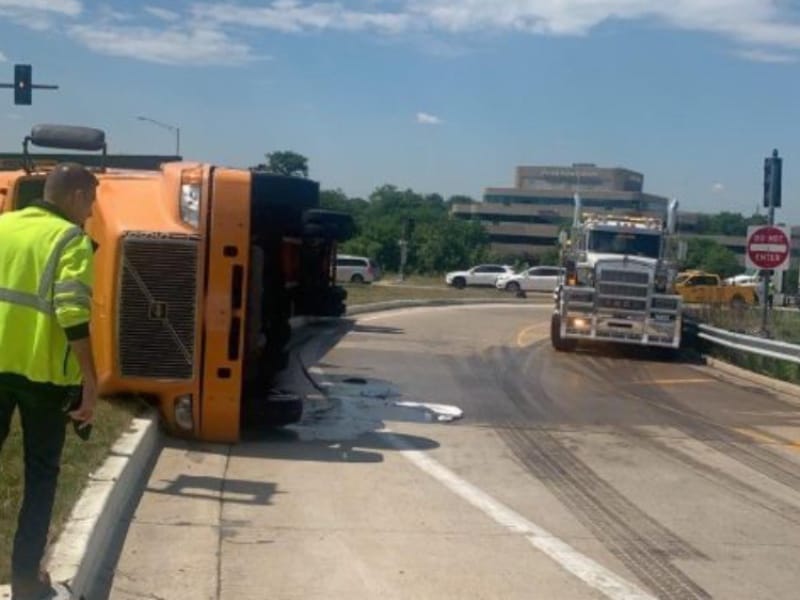
A single disabled car may only need one truck. A rollover, multi-vehicle crash, box truck problem, or heavy recovery can bring police, fire crews, roadway crews, extra wreckers, and supervisors into the same scene. Lockport accident recovery gets more detailed when weight, cargo, lane closures, or spilled debris enter the picture.
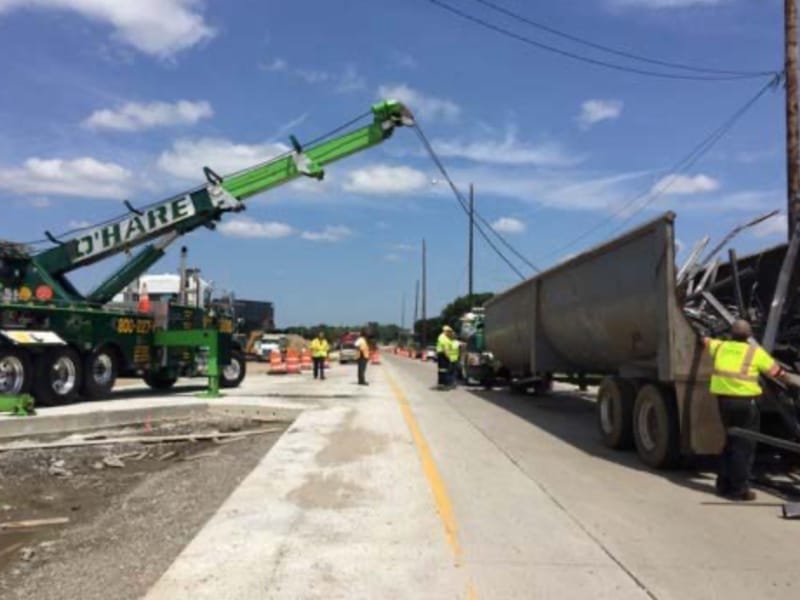
On heavier calls, we may need a rotator, heavy wrecker, or second truck before anything moves. Police may hold traffic while we rig. Fire crews may want fluids handled before we lift. The recovery plan has to match the scene, because a rushed move can block traffic longer or add damage that was avoidable.
O’Hare Towing Service Keeps Lockport Accident Recovery Organized From Scene to Drop-Off
O’Hare Towing Service started in 1963 when Jack Gratzianna opened O’Hare Truck Service for drivers in the Chicago suburbs. The company began with heavy-duty towing and recovery, added light-duty towing in the 1980s, and later grew under Bill and Marci Gratzianna into four terminals with more than 100 wreckers, flatbeds, and recovery trucks. That fleet gives our Lockport accident recovery team options when police calls range from a damaged passenger car to a commercial vehicle recovery.
For Lockport accident recovery, we look at the officer’s instructions, vehicle damage, road position, cleanup needs, and final destination before we move. Some calls need a quick flatbed load. Others need traffic coordination, a heavy wrecker, or extra recovery support. Police-ordered towing works best when everyone stays clear on the next step, and that is how we try to handle each Lockport accident recovery call from arrival to final drop.
FAQ
Why does a tow truck wait at a crash scene?
The tow crew may be waiting for police, fire crews, or EMS to finish their part of the response. A vehicle cannot move until the scene lead gives clearance.
Can police decide where my car goes after a crash?
Yes. The destination may be based on the crash report, impound rules, owner request, or agency instructions. The tow operator follows the direction given at the scene.
What happens if my car is leaking fluid after a wreck?
Fire crews or responders may check the leak first. Once cleared, the tow crew may use absorbent or help with basic cleanup before the vehicle leaves.
Can I get personal items before my vehicle is towed?
Sometimes. The officer or responder in charge decides if it is safe and allowed. If the vehicle is part of an investigation or impound, access may be limited.
Why would a crash tow need a heavy wrecker?
A heavy wrecker may be needed for larger vehicles, rollovers, stuck vehicles, or major damage. Weight, position, and road access all affect the truck sent.
What paperwork should I ask for after a police-requested tow?
Ask where the vehicle was taken, which agency requested the tow, and what you need for release. You may need identification, proof of ownership, insurance, and any required agency form.