Towing the Workhorses of Daily Life
We see them everywhere. Box trucks pulling into warehouses. Delivery vans lining side streets. Work vehicles that do not get much attention until they stop moving. These trucks sit in the middle ground between passenger cars and heavy rigs, and that space creates real towing challenges. They are bigger, heavier, and built for constant use, which is why calls related to Lockport delivery van towing are so common in this category.
In our day to day work, we spend a lot of time handling this category. These vehicles carry tools, food, medical supplies, and packages that people expect to arrive on time. When one goes down, it affects more than a driver. It disrupts schedules, routes, and entire workdays.
Why Box Trucks Are a Different Kind of Tow
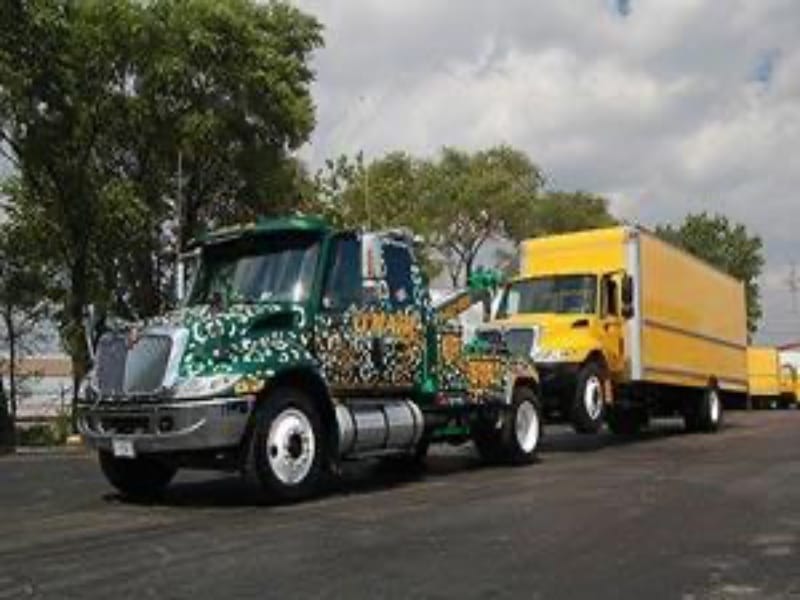
A box truck is not just a larger pickup. Weight distribution matters. Cargo shifts. Clearance becomes an issue fast. We approach each job with that reality in mind, especially when space is tight or the truck is loaded.
Hookup points, suspension height, and rear overhang all factor into how we tow. Rushing through those details causes damage. We take the time to assess before we move anything. That mindset keeps the truck intact and avoids adding new problems to an already bad day.
The Size Gap That Causes Problems
Box trucks fall into an awkward size range. They are too large for standard light duty towing and too small for big rig methods. That gap is where mistakes usually happen.
We see bent frames and damaged drivetrains from improper tows. These are preventable issues. Knowing how to work in that middle space is important.
Load Weight Changes Everything
A loaded box truck behaves nothing like an empty one. Braking distance increases. Balance shifts. Even small turns require planning. We always assume weight until proven otherwise. That approach keeps the tow controlled and predictable from start to finish.
Delivery Vans Keep Cities Running
Delivery vans do not get a break. They run all day, stop constantly, and carry more than most people realize. Breakdowns happen from wear, not neglect. These vehicles earn every mile.
We handle Lockport delivery van towing with that reality in mind. Tight streets, busy lots, and time pressure come with the territory. Our focus stays on steady movement and clear communication with drivers and dispatch teams.
Tight Spaces Mean Careful Moves
Most delivery van issues happen in cramped areas. Alleys, loading docks, and parking lots leave little room to maneuver. We plan exits before we hook up. That keeps the van and surrounding property in good shape.
Downtime Has Real Consequences
A stalled van delays routes and customers. We keep the process moving without cutting corners.
How We Approach Towing the In Between
We group box trucks, delivery vans, and similar vehicles together for a reason. They share challenges that require experience and patience. These are not quick hook and haul jobs.
Our process stays consistent every time. That consistency protects vehicles and keeps surprises to a minimum.
- Vehicle weight and cargo check
- Clearance and access review
- Proper attachment points confirmed
- Route planning before movement
This approach matters whether we are handling Lockport delivery van towing or a stalled box truck on a side street. The method stays the same.
Built for the In-between: O’Hare Towing and Lockport Delivery Van Towing
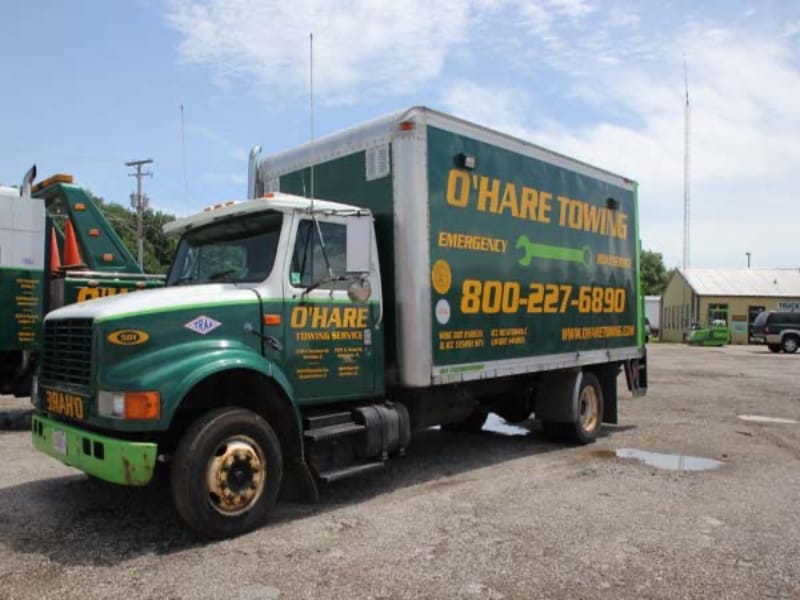
At O’Hare Towing, we spend a lot of time handling the vehicles that keep everyday work moving. Box trucks, service vans, and delivery vehicles make up a steady part of our calls. We treat them as working assets, not just broken-down units on the roadside.
Lockport delivery van towing is part of our daily routine, and that experience carries over into box truck towing as well. We understand how these vehicles are built, how they fail, and how to move them without adding damage. Lockport delivery van towing requires awareness, patience, and a steady hand, and the same applies to towing the in between. When we handle Lockport delivery van towing or a disabled box truck, our goal stays simple. Move the vehicle carefully so work can resume without new setbacks.
FAQ
What makes box trucks harder to tow than passenger vehicles?
Box trucks carry more weight, have longer frames, and sit higher off the ground. Those factors change how they respond when lifted and moved, which means towing requires more planning than a standard vehicle.
Can a loaded box truck be towed?
Yes, but the load matters. Weight affects balance, braking, and turning. The tow setup must account for cargo position and total weight before the vehicle moves.
Why do delivery vans break down more often than personal vehicles?
Delivery vans operate for long hours with frequent stops. That constant use puts stress on brakes, transmissions, and cooling systems, which leads to more roadside issues over time.
What happens if a box truck is towed incorrectly?
Improper towing can damage the drivetrain, suspension, or frame. It can also cause cargo shifts that make the vehicle unstable during transport.
How long does it usually take to tow a commercial work vehicle?
The tow itself may be quick, but preparation takes time. Assessing weight, access points, and surroundings is what keeps the process controlled and predictable.
Is towing a work vehicle different from roadside recovery?
Yes. Work vehicles often require more space, more setup time, and careful routing. Recovery focuses on removing a disabled vehicle without causing additional problems.