Thrown Off Track
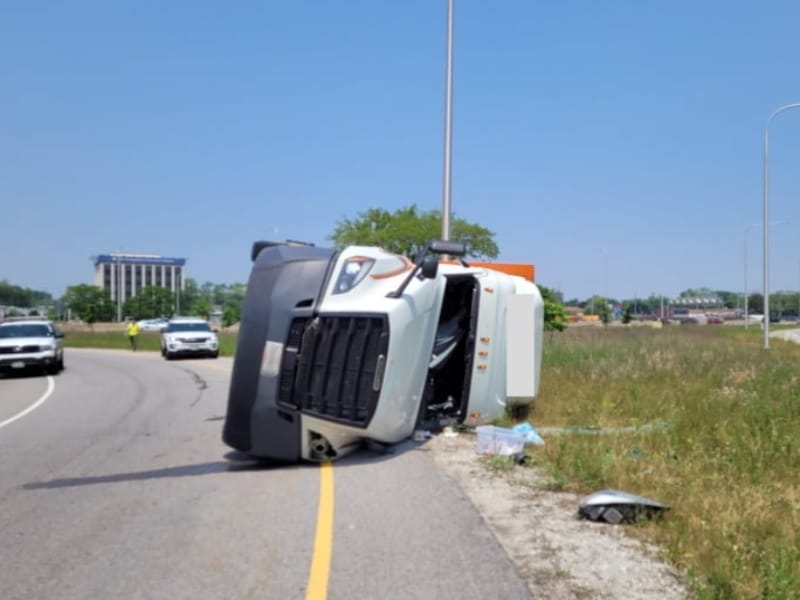
Driving a tractor trailer requires steady control, careful timing, and a clear sense of how weight affects every movement on the road. I-55 semi towing calls often connect back to rollover crashes caused by speed, uneven cargo, sharp steering, or poor road conditions. A loaded trailer carries significant weight high above the pavement, and that height makes the vehicle more vulnerable to tipping during sudden shifts.
Weight shifts easily inside a trailer if cargo is not balanced well. A sudden lane change, a tight curve, or braking too late can shift that load and push the center of gravity outward. Once the weight moves past a certain point, the truck begins to lean and the tires lose grip. At highway speeds, the rollover happens quickly and leaves very little time to correct the vehicle.
High Center of Gravity Changes the Way Trucks Move
Passenger cars sit low to the ground, but tractor trailers ride much higher. That height creates a different driving dynamic that every truck driver needs to manage carefully.
When a truck enters a curve too fast, the upper weight of the trailer pulls outward. The tires on the inside of the curve can lift slightly as the weight shifts. If speed and weight combine in the wrong way, the trailer tips beyond the balance point.
Road design also plays a role. Off ramps and curved highways require slower entry speeds than many drivers expect. Rollovers often happen in these areas because the curve tightens more than anticipated.
Cargo Movement Inside the Trailer
Improperly secured freight can cause a trailer to behave unpredictably. Even a small shift in cargo weight can affect steering and stability.
Some common causes of load movement include:
- Uneven pallet placement
- Loose cargo straps
- Overloaded trailers
- Partially filled liquid containers
When cargo slides or tips inside the trailer, the center of gravity shifts quickly. Drivers often feel the truck leaning before they see a problem, and at highway speeds that warning comes too late.
Driving Habits That Help Prevent Rollovers
Reducing rollover risk starts with careful driving habits and attention to road conditions. We see many overturned trucks during I-55 semi towing jobs that began with speed entering a curve or sudden steering corrections.
Truck drivers can lower the risk by focusing on a few consistent practices:
- Slow down well before curves or exit ramps
- Maintain larger following distances in heavy traffic
- Avoid sharp steering movements
- Adjust speed during rain or high wind
- Check load balance before starting a trip
Speed remains the largest factor. Even experienced drivers can underestimate how quickly a tall trailer reacts to weight transfer.
Road Conditions and Weather Factors
Wind, rain, and uneven pavement all increase rollover risk. A strong crosswind pushes against the broad side of a trailer and shifts weight toward the outside wheels.
Wet pavement reduces tire traction and increases stopping distance. When a driver brakes suddenly on a slick surface, the trailer may swing or lean enough to start a rollover.
Drivers traveling through long highway corridors often encounter changing conditions over short distances. Awareness of weather shifts helps drivers prepare for these changes before they become dangerous.
Fatigue and Driver Attention
Long hours behind the wheel can reduce reaction time and judgment. Fatigue often leads to delayed braking or overcorrection during lane changes.
These small driving mistakes can push a truck toward instability. A tired driver may also misjudge curve speeds or fail to notice shifting cargo. Maintaining proper rest and taking breaks keeps reaction time sharp and helps drivers maintain smoother control of the truck.
O’Hare Towing Service Responds to I-55 Semi Towing Incidents
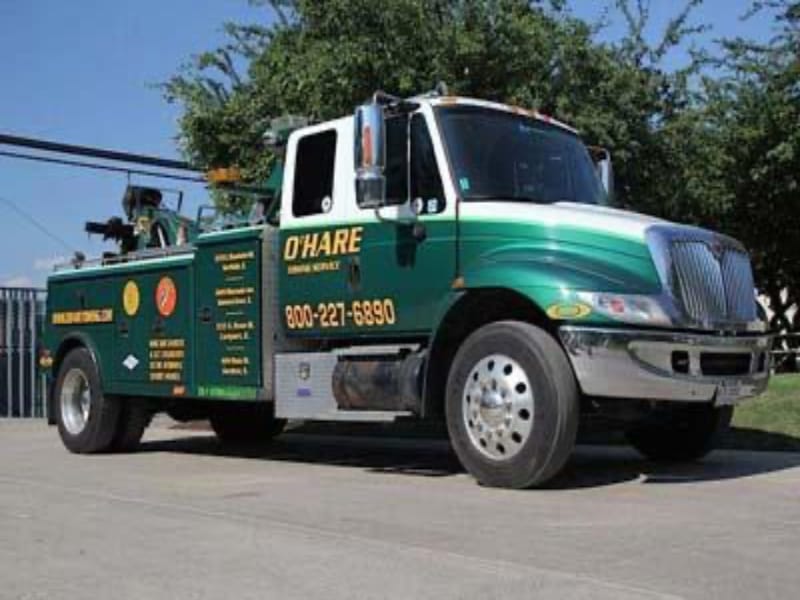
Truck rollovers create major highway hazards and require experienced heavy duty recovery crews. At O’Hare Towing Service, we regularly perform I-55 semi towing for overturned trucks, damaged trailers, and cargo recovery situations. Our team works throughout the corridor to help clear blocked lanes and move disabled tractor trailers off the roadway.
During an I-55 semi towing response, we focus on stabilizing the trailer, managing cargo weight, and preparing the vehicle for heavy duty recovery. Many rollover scenes involve spilled freight or damaged axles that require careful lifting and repositioning. Our I-55 semi towing work also involves coordinating with highway crews and traffic control teams so the recovery can move forward safely.
Drivers traveling along this route know how busy the corridor becomes during peak hours. When a rollover happens, the road can shut down quickly. Our I-55 semi towing crews respond to these calls every day and help return traffic flow as quickly as possible.
FAQ
What is the most common cause of a tractor trailer rollover?
Speed during curves or exit ramps is one of the most common causes. Large trucks carry weight high above the road, which raises the center of gravity. Entering a turn too quickly allows the weight of the trailer to shift outward and pull the truck off balance.
How does cargo placement affect truck stability?
Cargo that sits unevenly inside a trailer can change how the truck handles. Heavy loads placed too high or too far to one side make the vehicle more likely to lean during turns. Balanced loading keeps the center of gravity lower and helps the truck remain stable during normal driving.
Are certain road areas more likely to cause rollovers?
Yes. Exit ramps, tight highway curves, and downhill turns often create higher rollover risk. These areas require lower speeds because the curve radius tightens quickly and the force pushing the trailer outward increases.
Can weather conditions increase rollover risk for large trucks?
Weather plays a major role. Strong crosswinds push against the flat sides of trailers and shift weight toward the outside wheels. Rain also reduces tire traction and increases stopping distance, which can lead to sudden steering corrections.
What warning signs might indicate a truck is close to tipping?
Drivers may notice the trailer leaning more than usual during a turn. The steering can feel lighter as the inside tires lose some contact with the road. These signals suggest the truck is approaching its stability limit and speed should be reduced immediately.
What driving habits help prevent rollovers in heavy trucks?
Smooth driving helps maintain stability. Gradual steering inputs, slower speeds in curves, and proper following distance allow drivers to react without sudden movements. Consistent speed control also reduces the chance of weight shifting inside the trailer.